Stephen Ministry Mobile App
Designing a community platform for young adults during COVID
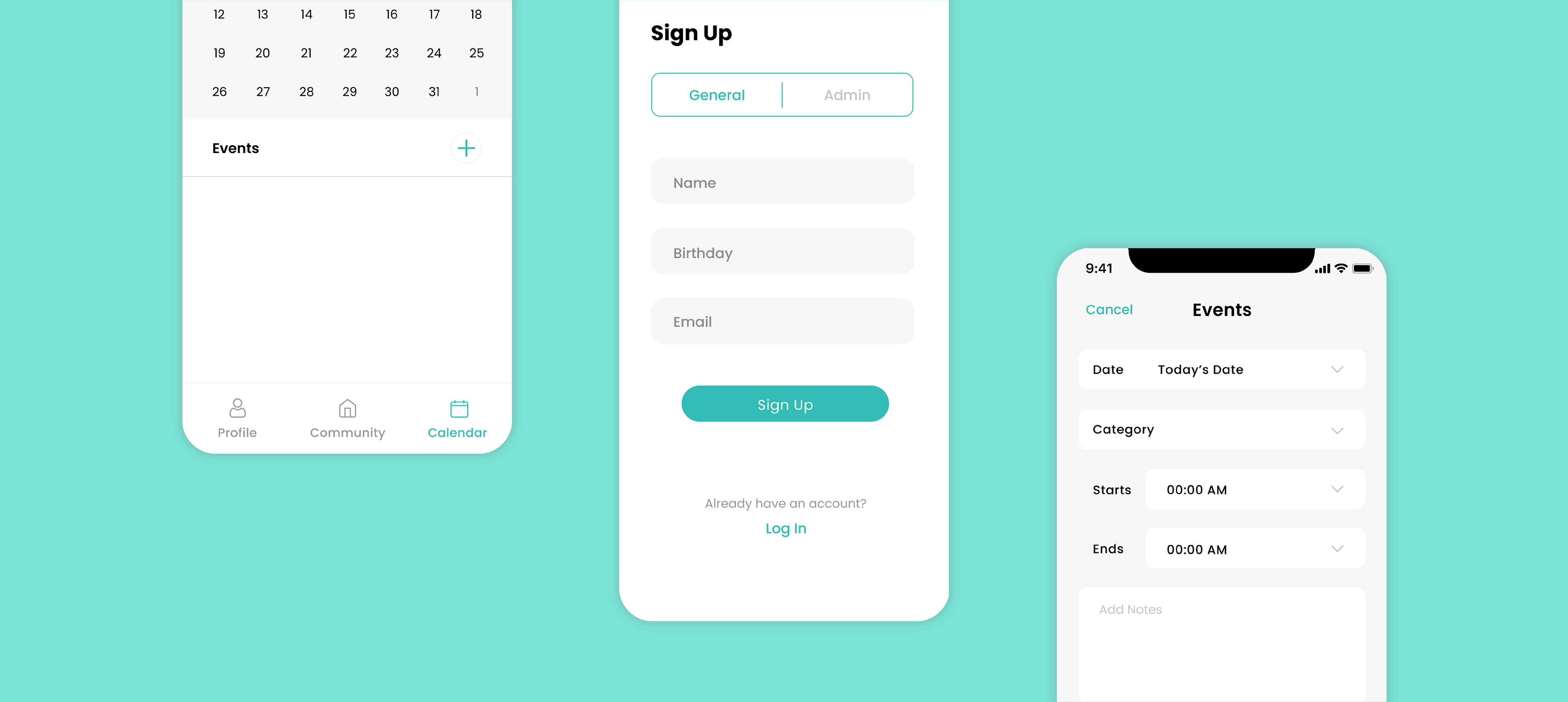
Project Overview
During the pandemic, the Stephen young adults group at Promise Church identified a growing communication gap due to the shift to fully remote gatherings. Existing communication channels — primarily Instagram and KakaoTalk — were fragmented and insufficient for managing announcements, event updates, and community engagement.
This project focused on designing a dedicated mobile communication platform tailored specifically for the Stephen group.
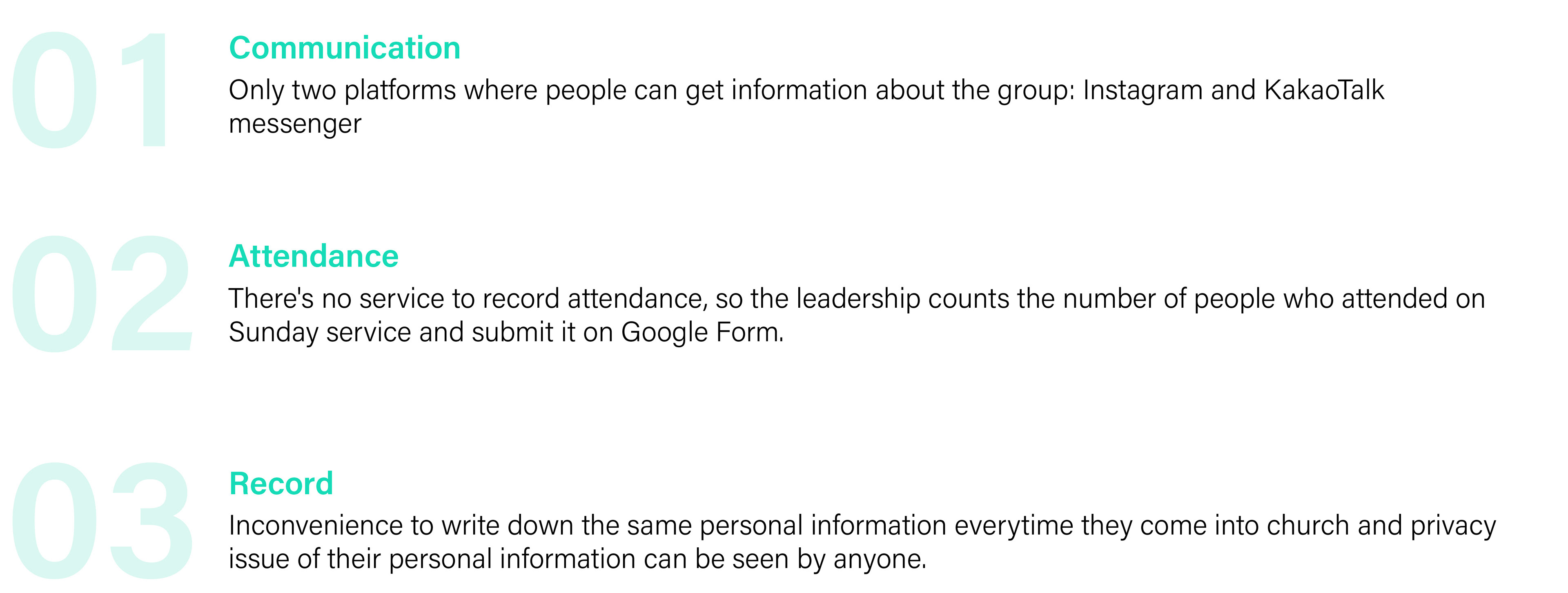
Problem Statement
Information was scattered across:
• Instagram
• KakaoTalk
There was no centralized system for:
• Event updates
• Prayer requests
• Community interaction
• Attendance and records for COVID-19 consent form before entering the building
As a result:
• Members missed updates
• Leaders struggled to organize communication
• New members lacked clear entry points
• The group proposed building a dedicated mobile app
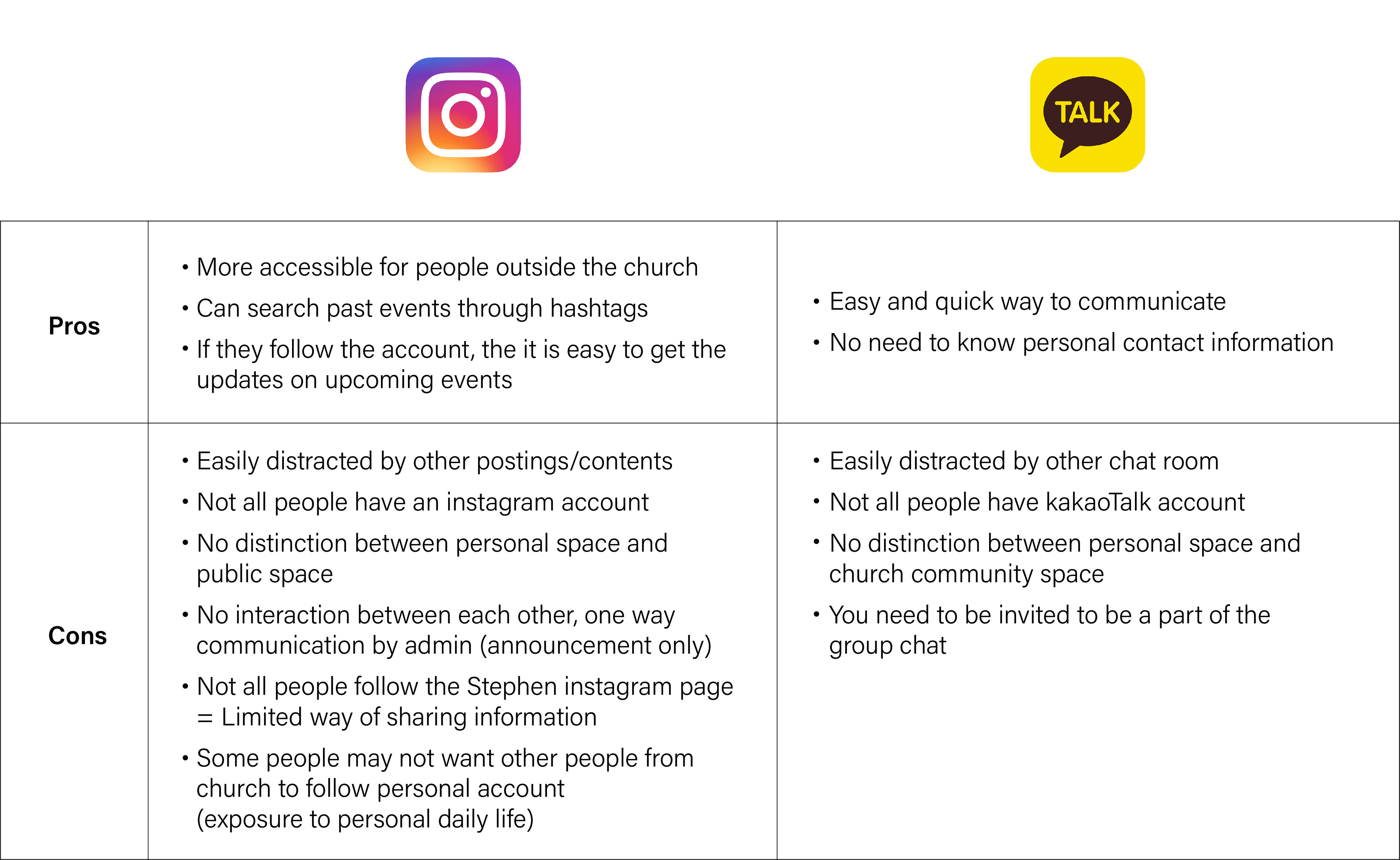
From group’s existing communication tools—Instagram and KakaoTalk—to assess information structure, accessibility, and usability.
We also performed a focused competitive analysis of a larger international young adult group within the same church that operates a website and mobile application built on a third-party template.
Key Findings:
• Existing tools lacked structured information architecture
• Announcements and resources were difficult to locate and reference
• No dedicated digital platform existed for individual ministry groups within the church
• Centralized features such as schedules, media content, and announcements significantly improved accessibility in the comparison group
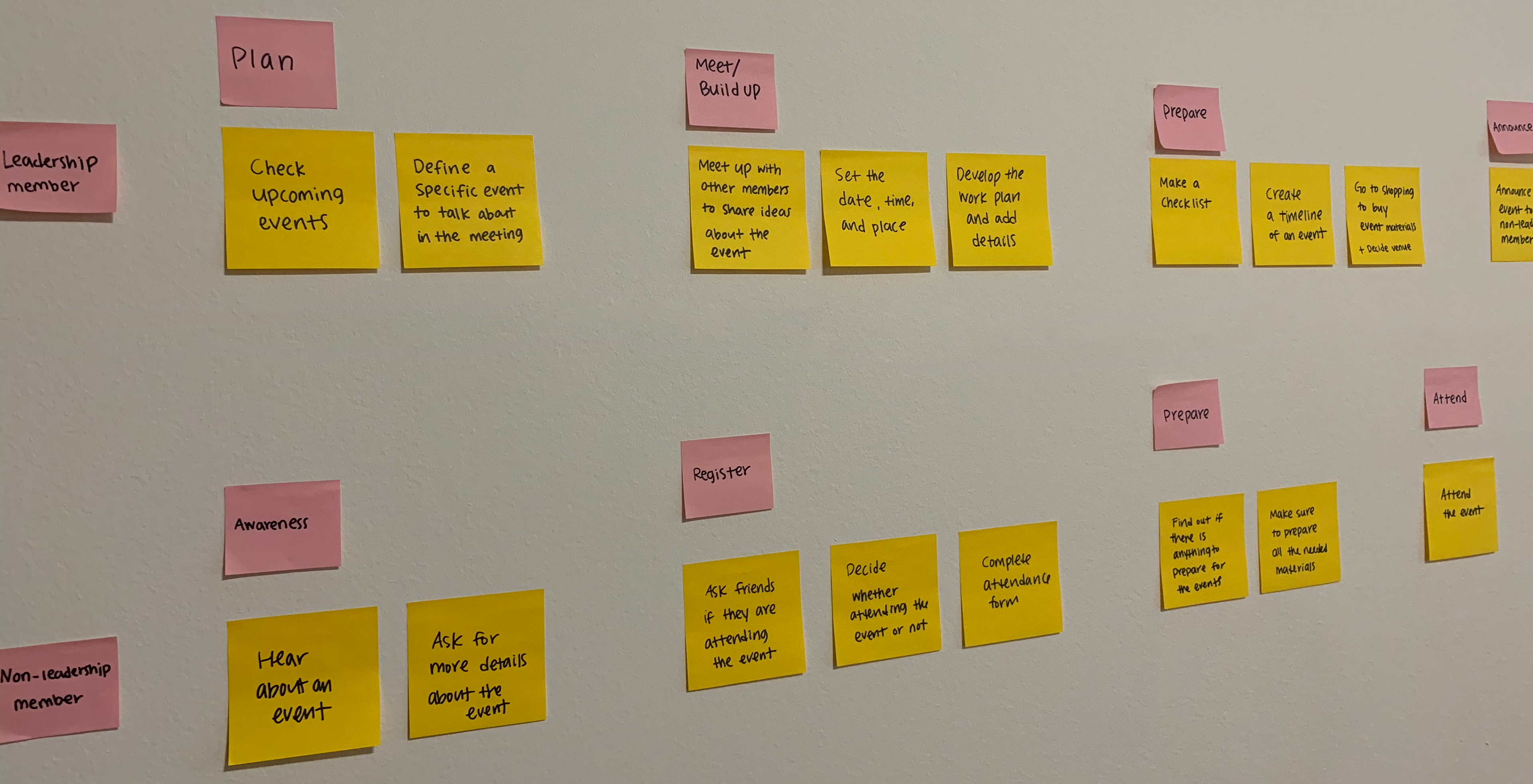
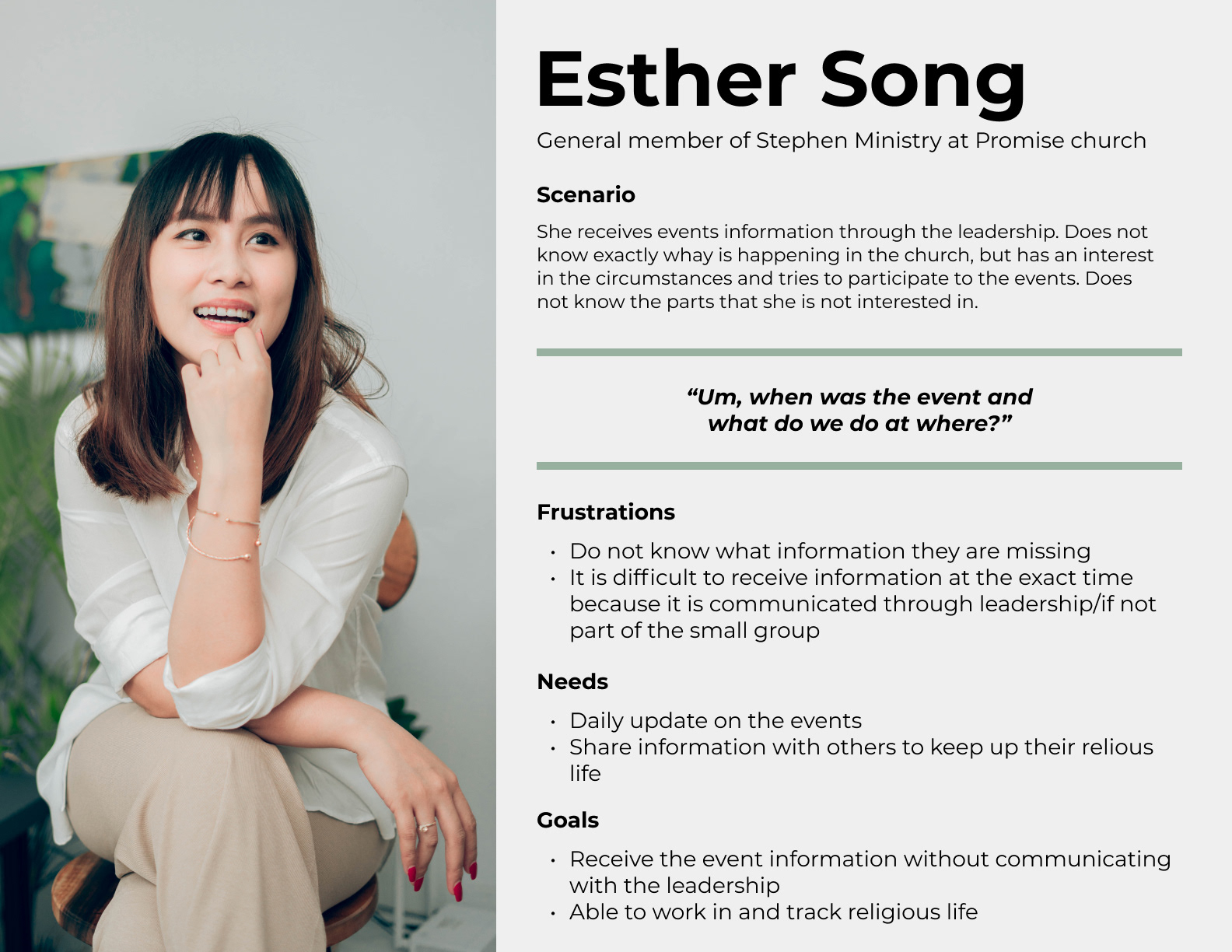
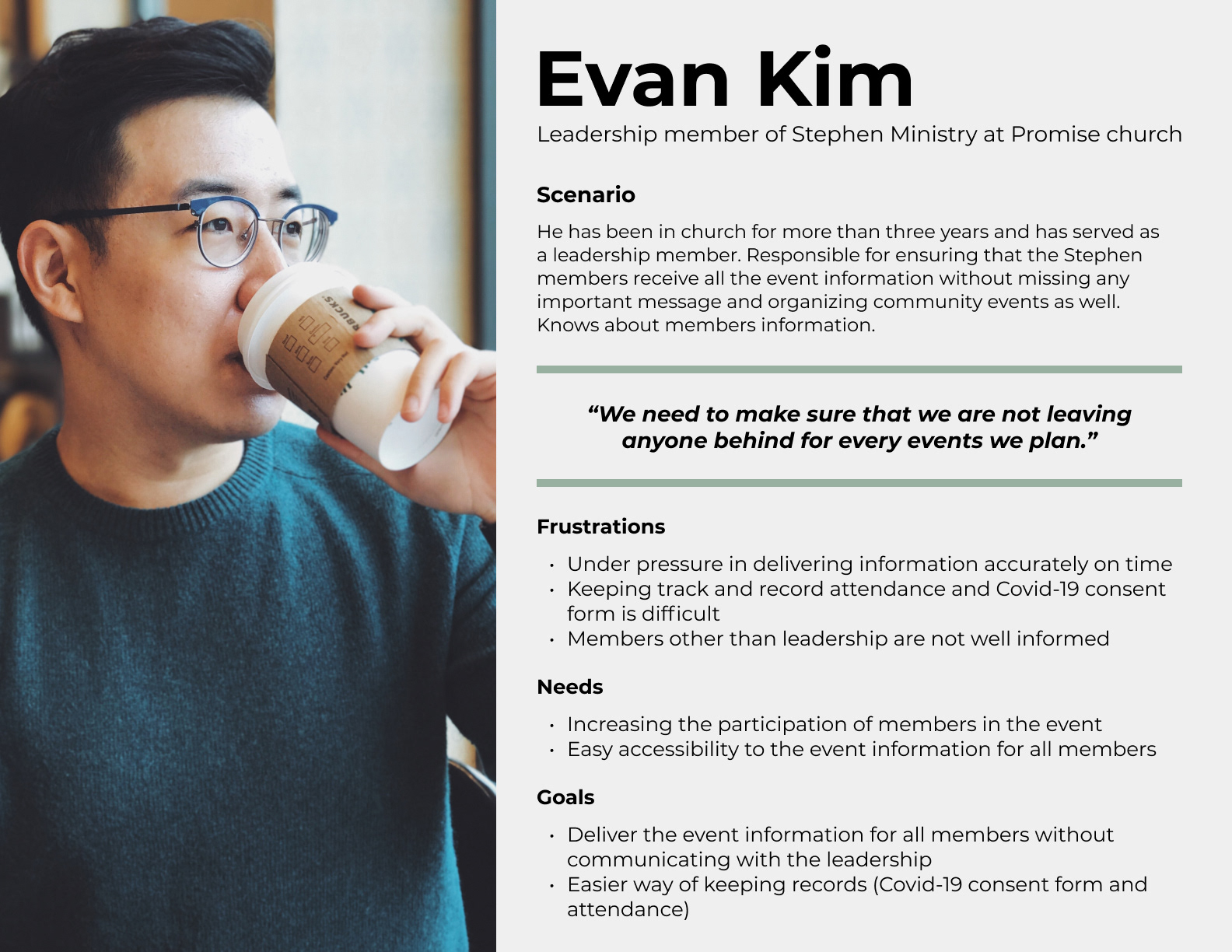
We identified two distinct persona groups:
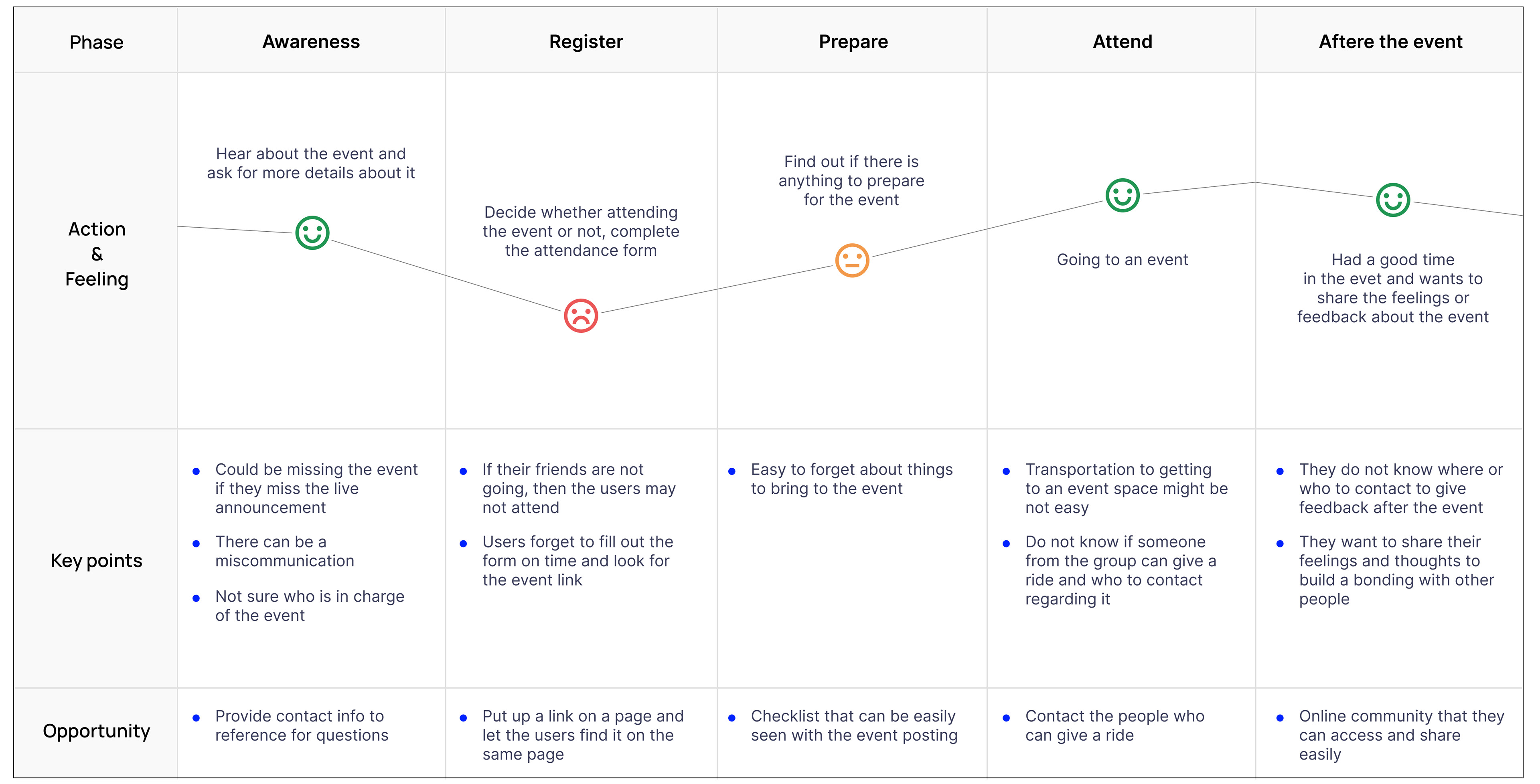
1️⃣ General Members
Attend events / Receive updates / Submit prayer requests / Consume content
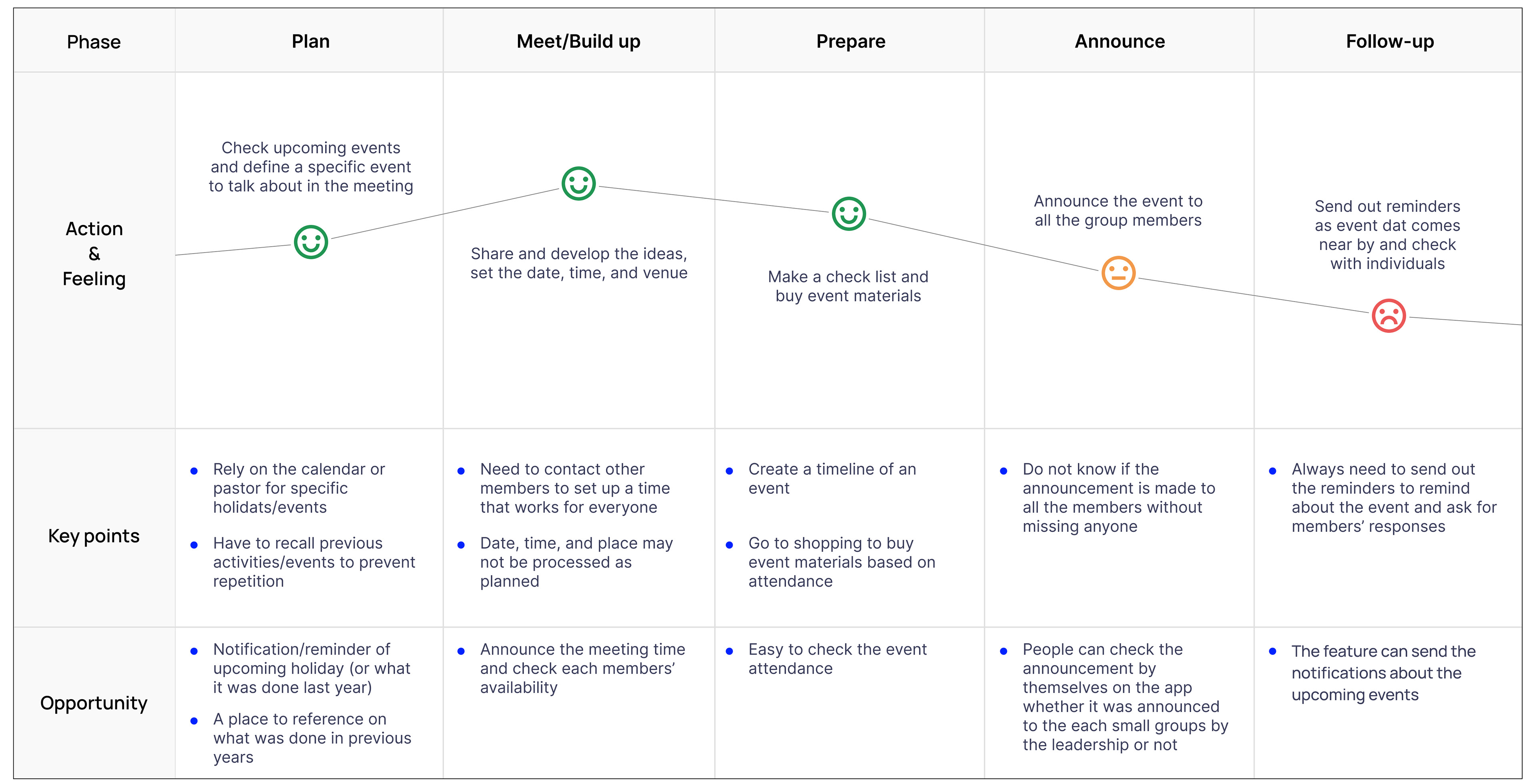
2️⃣ Leadership Team
Plan events / Generate announcements / Moderate community interaction
General group member - Attending an event user journey
Leadership - Planning an event user journey
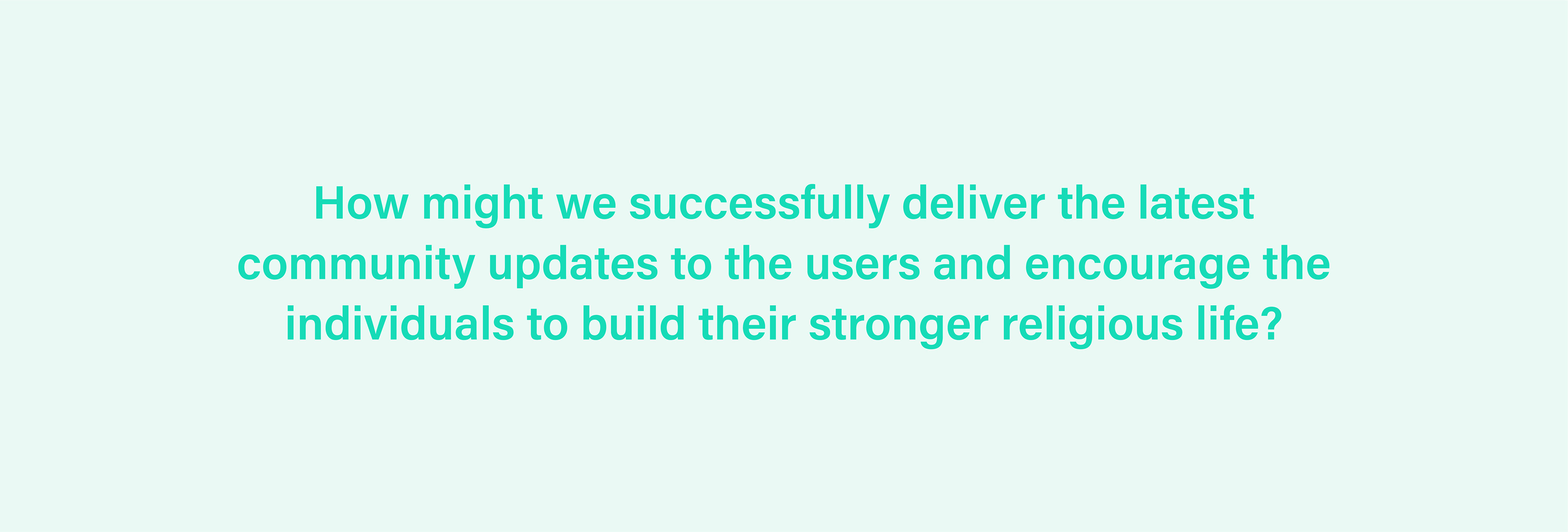
Design iteration
Instead of building a feature-heavy church app,
we pivoted to:
we pivoted to:
A Role-Based Communication System
Core focus: Updates / Event management / Community interaction
We structured:
1. Separate user journeys
2. Separate task flows
3. Permission-based access
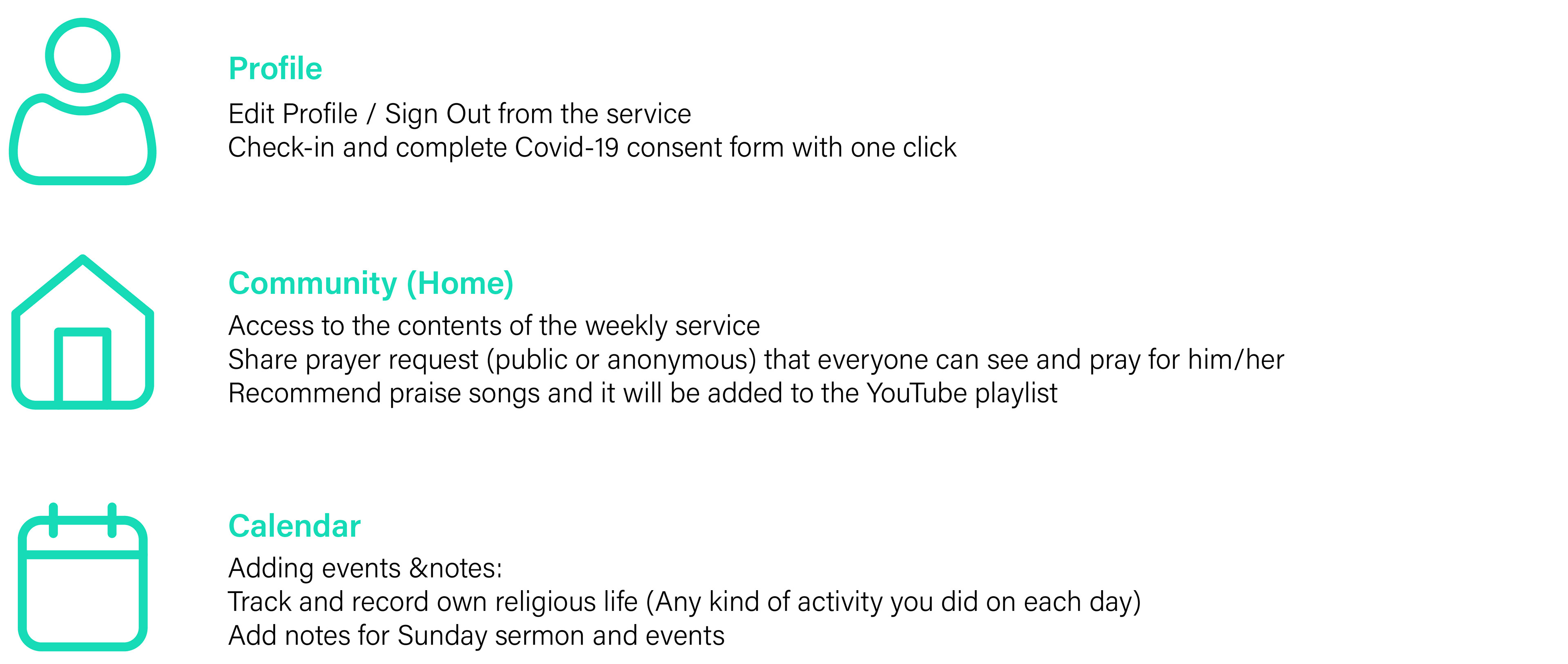
1. User flow map & Initial sketch
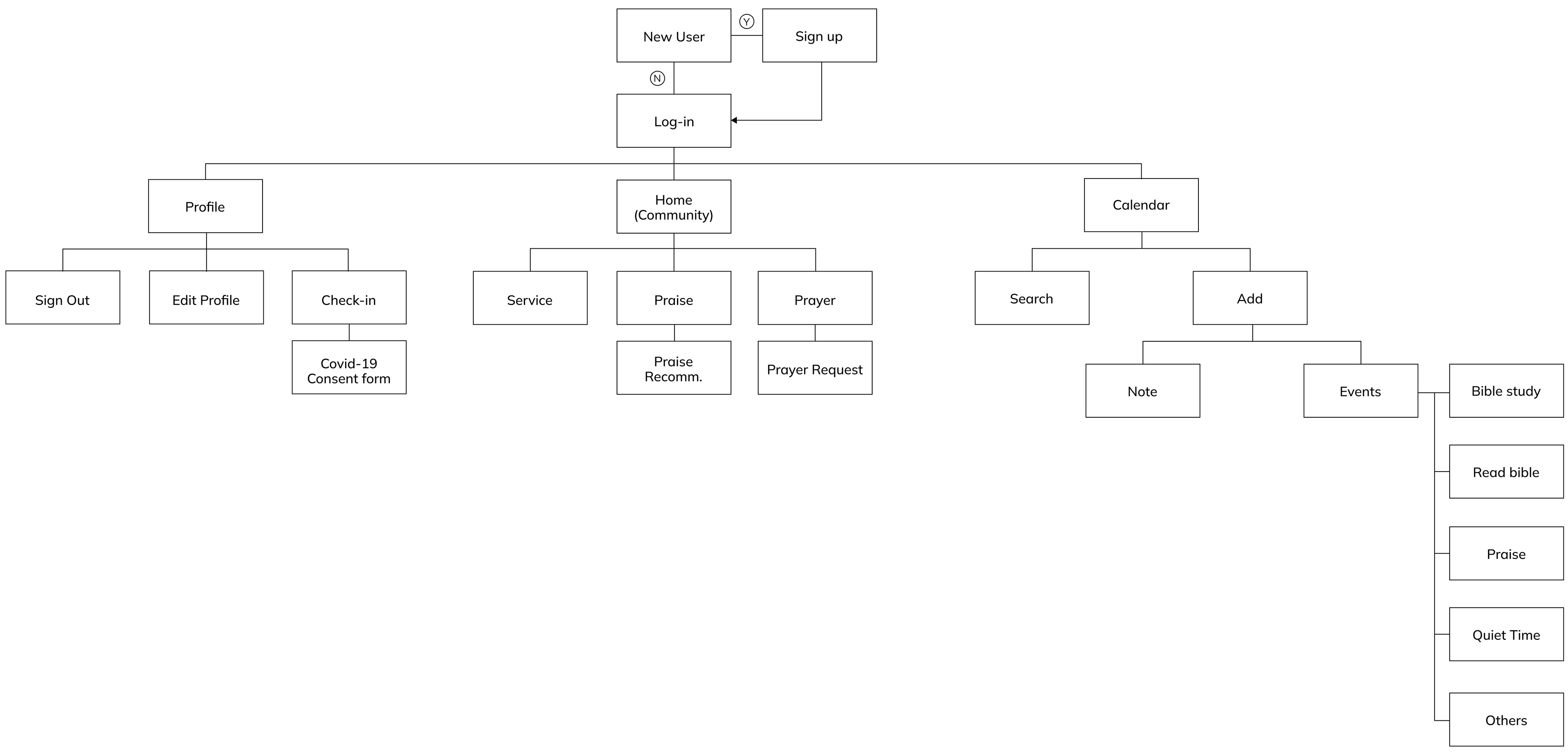
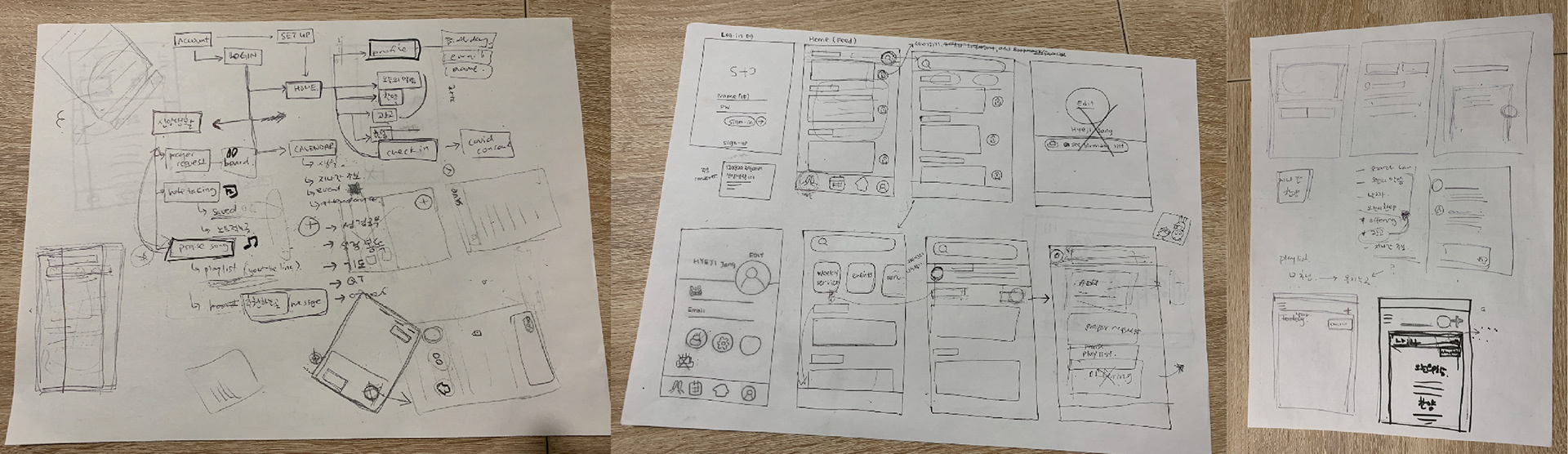
2. Low-fi Prototype
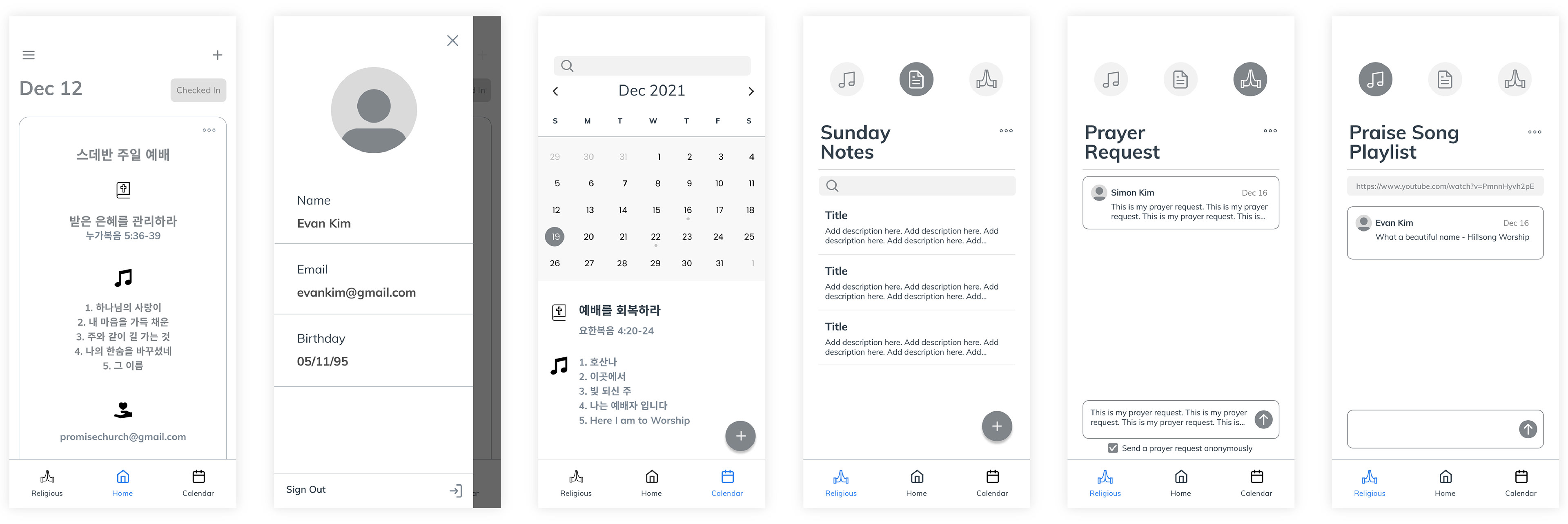
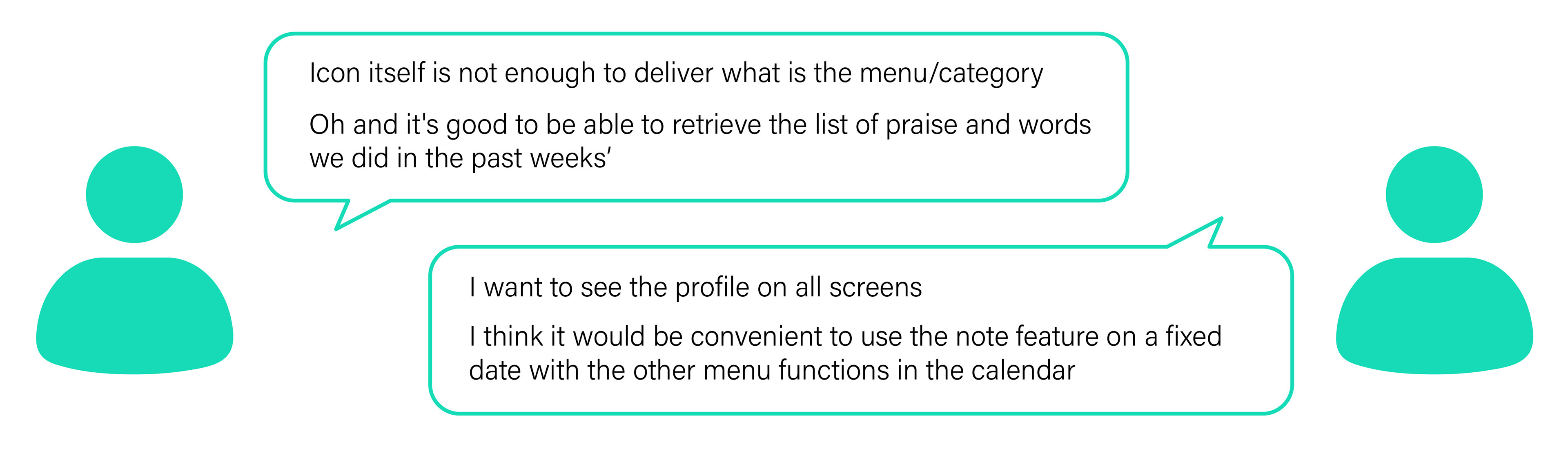
(Feedback from the low-fi usability testing)
3. Mid-fi Prototype
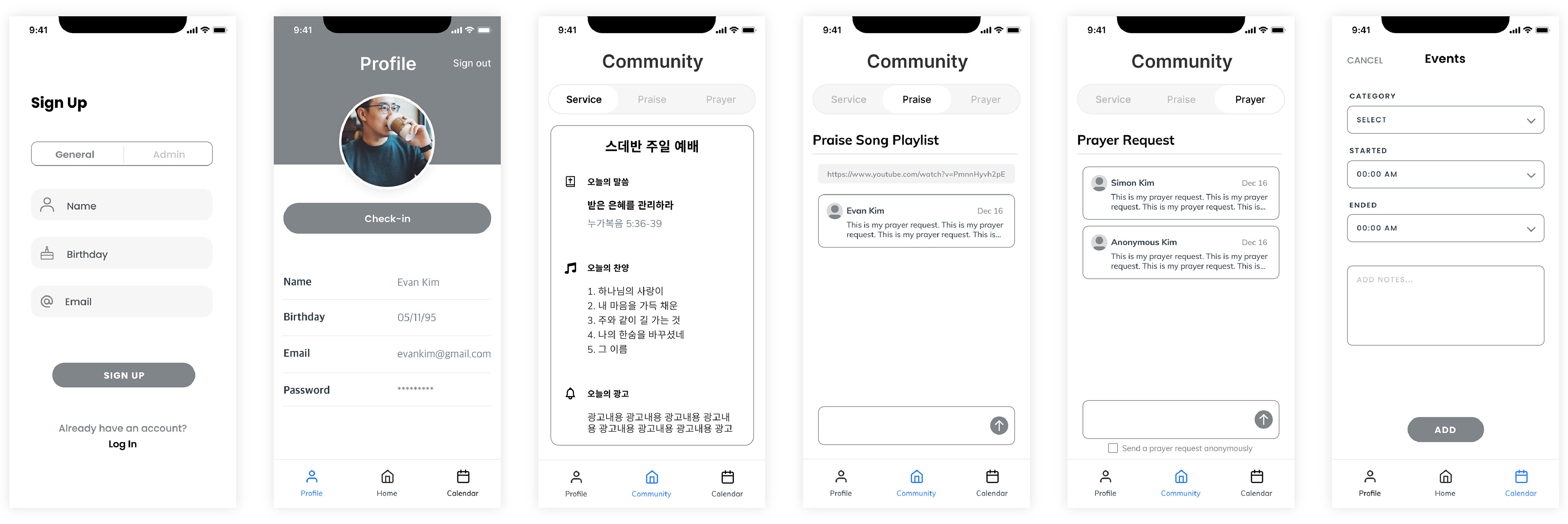
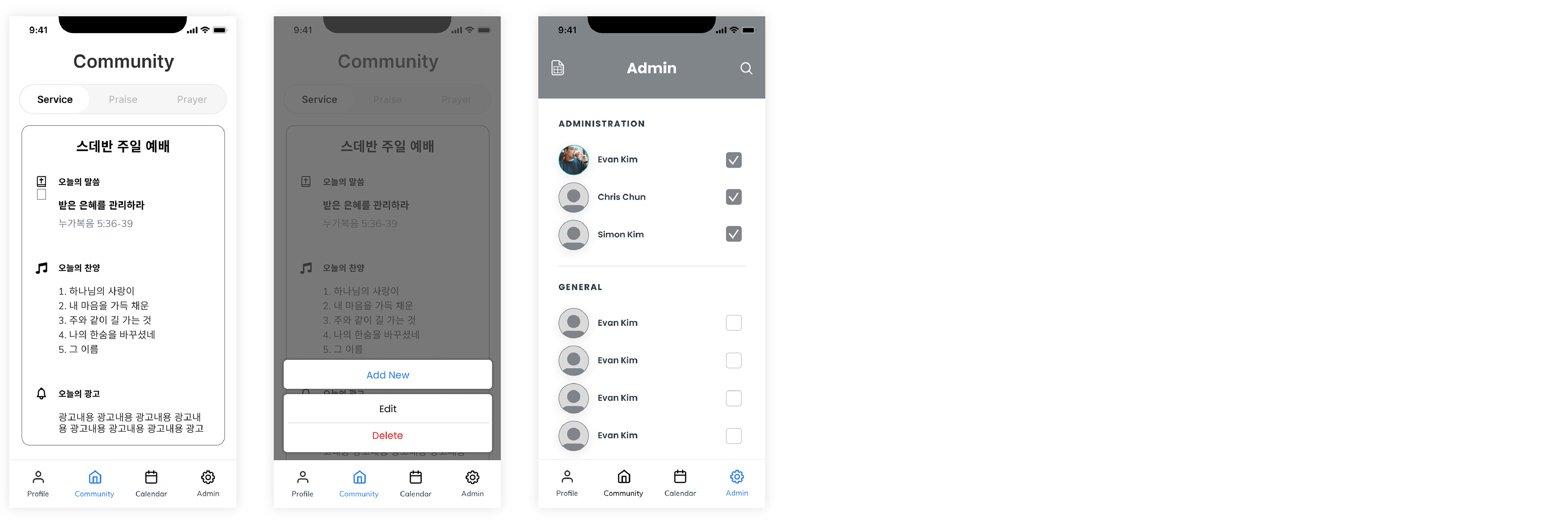
4. High-fi Mock-up
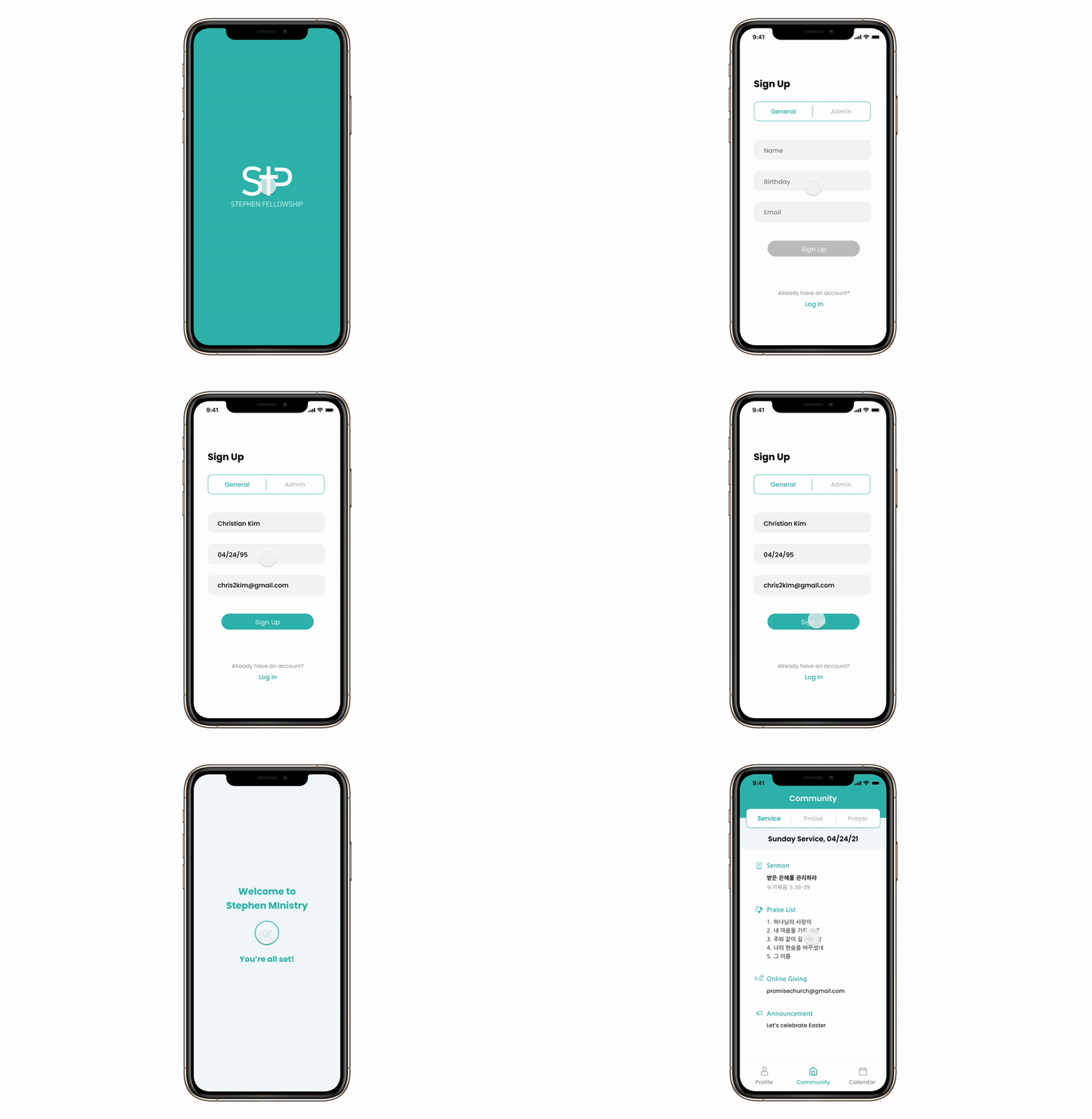
Home Screen
(Sign up for the first time)
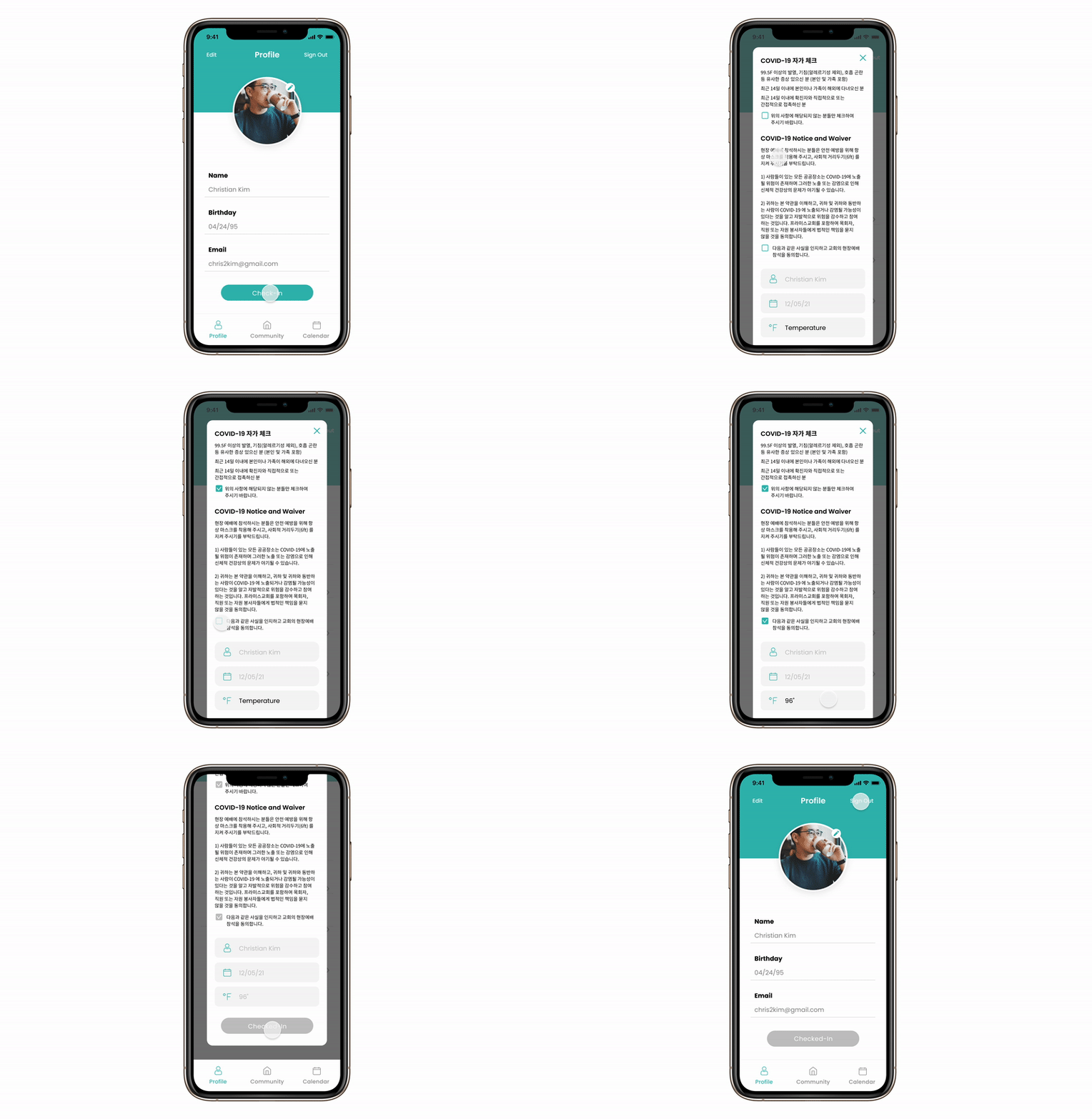
Profile
(Check-in and covid-19 consent form)
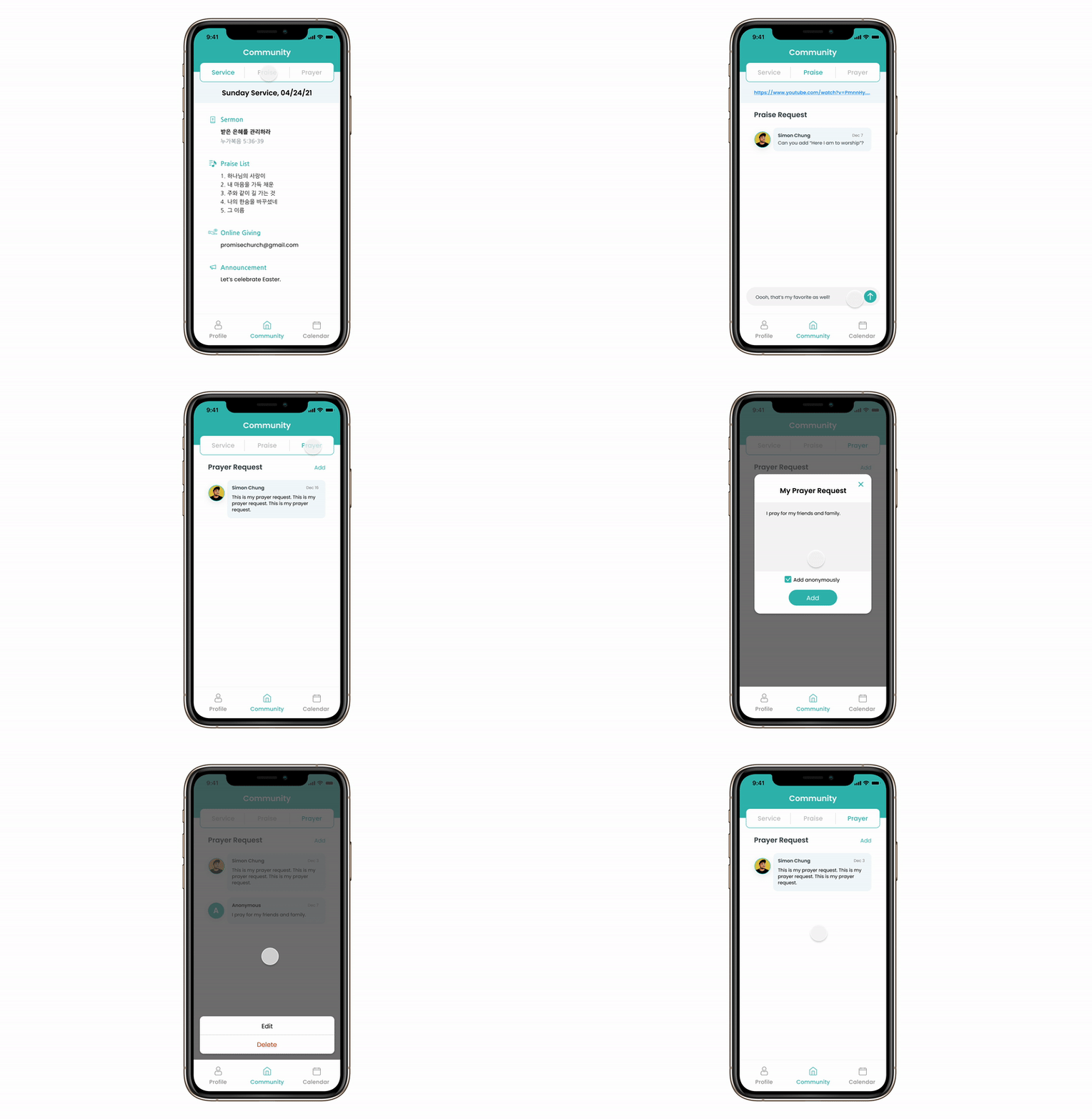
Interacting with the community
(Make a comment / add a prayer request)
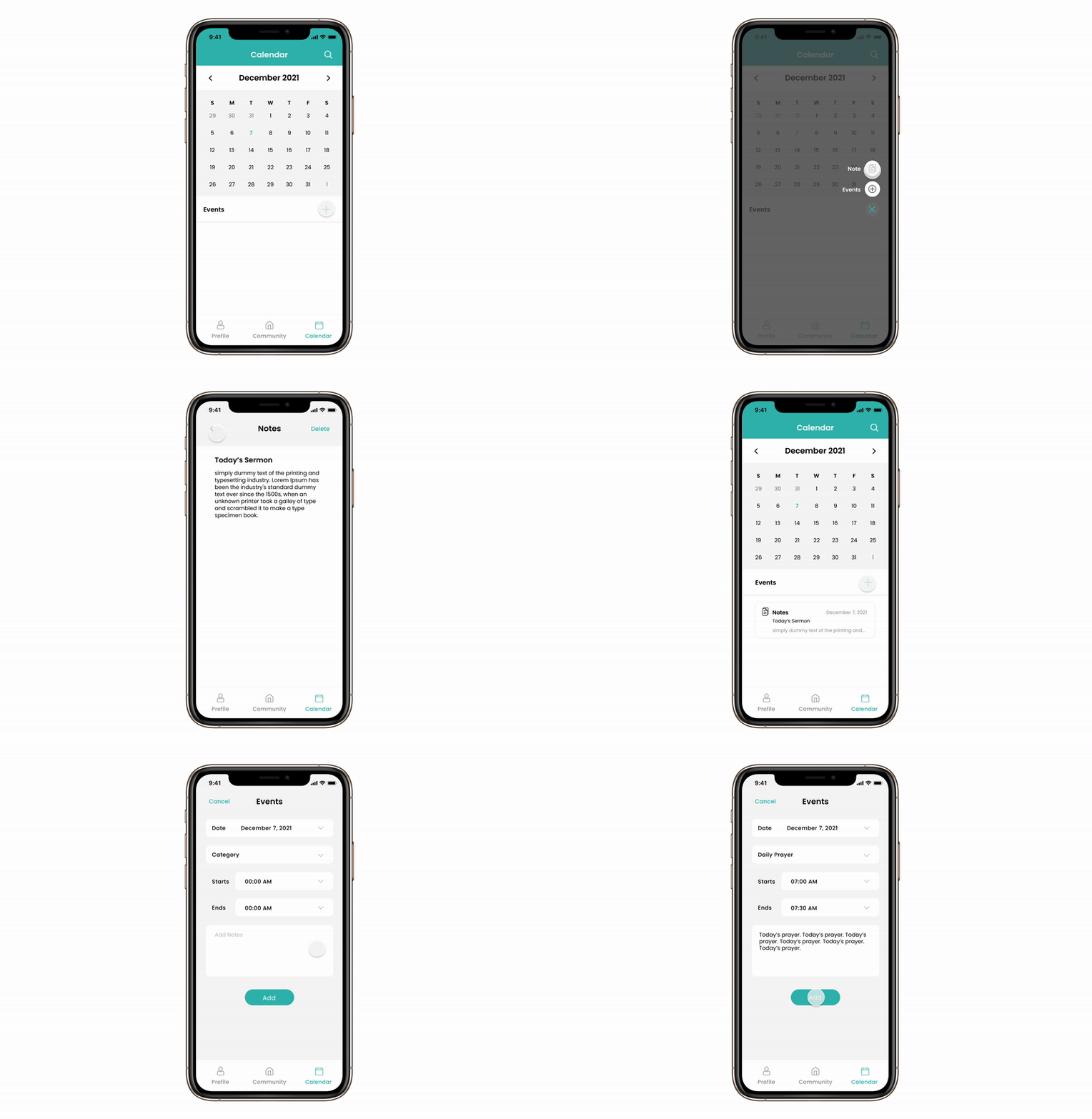
Calendar
(Adding events/notes by individual users)
Reflection
This project fundamentally reshaped my approach to product design.
I learned that feature richness does not equal value. The most impactful product decisions came not from adding more functionality, but from removing unnecessary assumptions.
I learned that feature richness does not equal value. The most impactful product decisions came not from adding more functionality, but from removing unnecessary assumptions.